Cheque Bounce Case Lawyer in Delhi
Legal representation for cheque dishonour, Section 138 proceedings, legal notices and related recovery matters.
Bring your cheque, bank return memo and supporting documents for a case-specific legal assessment.

Facing a Cheque Bounce?
We can assist with matters involving:
Cheque Bounce Matters Can Involve Strict Statutory Timelines
Cheque dishonour proceedings under Section 138 involve stringent statutory requirements and strict procedural timelines. Whether and how these apply depends completely on the facts and documents of the particular matter.
Cheque Presented
The cheque is presented for clearance within its validity period.
Bank Dishonour / Return
The bank returns the cheque unpaid, issuing a return memo stating the reason.
Statutory Demand Notice
A formal legal notice is issued demanding payment within the statutory timeframe.
Opportunity to Pay
The drawer is ordinarily provided 15 days from the receipt of the notice to clear the dues.
Appropriate Legal Proceedings
If payment is not received, proceedings under Section 138 may be initiated.
Areas We Handle in Cheque Dishonour Matters
Professional legal assistance across the spectrum of Negotiable Instruments Act proceedings and related commercial disputes.
Cheque Bounce Legal Notice
Assistance in assessing the transaction and preparing an appropriate statutory demand notice where legally applicable.
Section 138 Proceedings
Representation in cheque dishonour matters under the Negotiable Instruments Act.
Defence in Cheque Bounce Cases
Representation for persons facing cheque dishonour complaints and assessment of available factual and legal defences.
Business Cheque Disputes
Legal assistance concerning cheques issued in connection with business transactions.
Loan / Payment Default Matters
Assessment of cheque dishonour arising from loans, advances or payment obligations.
Recovery Alongside Cheque Proceedings
Assessment of appropriate recovery remedies depending on the underlying debt, documents and circumstances.
Discuss your cheque bounce matter with a lawyer
A proper legal assessment requires a review of the transaction documents and bank memos.
Bring Your Documents — Not Just Your Story
A cheque dishonour matter is fundamentally assessed from the underlying transaction and the documentary record. It is essential to provide the relevant papers for a meaningful legal assessment.
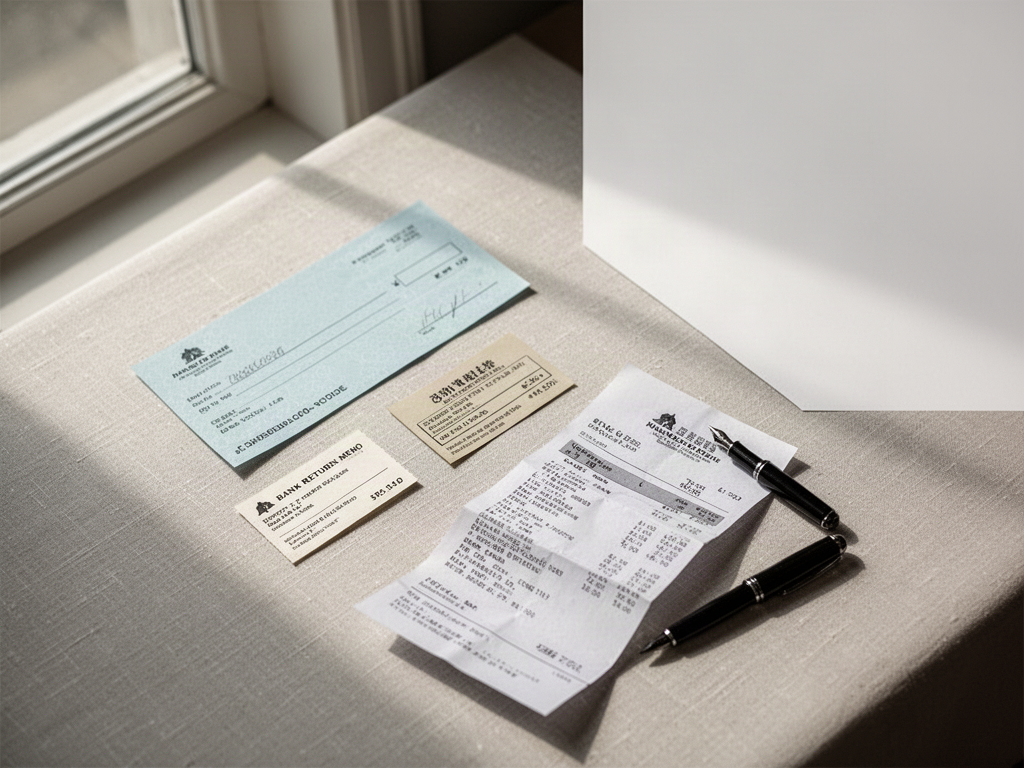
- Original cheque / copy of cheque
- Bank return memo
- Bank statement where relevant
- Legal notice, if already issued
- Postal/courier delivery records
- Loan agreement
- Invoice / purchase order
- Agreement or contract
- Account statement
- Emails / WhatsApp correspondence
- Payment records
- Any settlement or acknowledgment
- Previous court documents, if any
The more complete the documentation, the more accurately the legal position can be assessed.
Note: Client documents and transaction details are reviewed strictly in person during an office consultation. Please do not submit confidential files through the initial enquiry form.
If Your Cheque Has Been Dishonoured
Prior to advising on the appropriate course of action, an advocate may need to formally examine a number of aspects regarding the transaction:
- •Why the cheque was issued
- •Whether a legally enforceable debt or liability existed
- •Date of presentation
- •Bank return reason
- •Statutory notice requirements
- •Payment after notice
- •Documentary evidence
- •Jurisdiction and procedural issues
The legal outcome always depends entirely on the verifiable facts, the documentary evidence and the applicable statutory law.
Received a Cheque Bounce Notice?
The appropriate legal response to a statutory notice is ordinarily time-sensitive. The following issues are often relevant to assessing the matter:
- •Nature of the underlying transaction
- •Whether a legally enforceable liability existed
- •Payment already made
- •Security cheque issues
- •Disputed transaction
- •Amount already adjusted
- •Notice and procedural issues
- •Signature / authority issues
- •Company/director-related circumstances
Whether any particular defence is legally viable, and what effect it may have on the proceedings, depends exclusively on the facts and evidence of the case.
A Cheque Bounce Case Cannot Be Properly Assessed From a Few Minutes on the Phone
Cheque dishonour matters often depend on the underlying transaction, documents, dates, bank records, correspondence and the exact circumstances in which the cheque was issued. A proper assessment therefore requires reviewing the relevant documents and facts.
During the consultation, you can:
- 1Explain the transaction.
- 2Show the relevant documents.
- 3Discuss the cheque and bank return memo.
- 4Understand the available legal options.
- 5Discuss the appropriate next step.
Consultation is strictly by prior appointment. Detailed legal advice is provided after reviewing the relevant documents in person.
Have a Cheque Bounce Matter?
Don't rely on generic online advice. Bring your documents and discuss your matter in person.
Consultation by prior appointment.
Request an Appointment
Please provide brief details below. The office will review your enquiry and confirm your appointment. Detailed legal advice is provided only after reviewing your documents during the consultation.
What to Bring
- Original cheque / copy of cheque
- Bank return memo
- Bank statement where relevant
- Legal notice, if already issued
- Postal/courier delivery records
- Other relevant transaction records
Office Information
Frequently Asked Questions
General information regarding Section 138 proceedings and cheque dishonour matters.
Office Location & Appointments
Representing clients in proceedings before the courts of Delhi, including District Courts in West Delhi and Janakpuri areas.
Office Address
B-44, Ground Floor, Chankya PlacePankha Road, Opposite C1 JanakpuriNew Delhi, Delhi 110059Office Hours
Monday – Friday, 9:00 AM – 6:00 PM
Closed on weekends and public holidays.
Appointment Process
- Submit an enquiry or call.
- Office confirms your appointment.
- Attend with your transaction documents.
Bar Council of India Rule 36 Disclaimer: This page is purely informational and complies with the Bar Council of India rules prohibiting solicitation and advertisement. By viewing this page or contacting us, you acknowledge that you are seeking legal information of your own accord. No advertisement is intended, and viewing this content does not constitute legal advice or create a lawyer-client relationship.